Phakel’umthakathi Calls for Foreign-Owned Shop Takeovers in South Africa

Anti-illegal immigration activist Nkosikhona “Phakel’umthakathi” Ndabandaba has sparked outrage, support, and widespread debate across South Africa after calling on local workers to take over businesses owned by foreign nationals. In a viral video circulating on social media, Phakel’umthakathi said South Africans employed at shops owned by Somali, Pakistani, and other foreign nationals should prepare to become the new owners of those businesses from 10 June.
The comments, made during an online address to supporters, have triggered strong reactions from South Africans, foreign nationals, business owners, and workers who fear the situation could increase tensions in communities already struggling with unemployment and poverty. The video has since spread rapidly on Facebook, TikTok, and X, with thousands of people weighing in on the controversial statements.
What Phakel’umthakathi Said About Foreign-Owned Shops in South Africa
In the video, Phakel’umthakathi argued that South Africans already working in foreign-owned businesses should no longer remain employees while others profit from township businesses.
According to him, groups of South African workers employed by the same business could collectively take over the shop and share the profits among themselves. He claimed that if ten people were working for a foreign national and earning salaries, they were already capable of running the business without the owner.
Phakel’umthakathi also announced plans for a virtual meeting on 10 June, where South Africans would allegedly receive guidance on taking over foreign-owned businesses nationwide.
The activist further stated that businesses supplying stock to foreign nationals should stop doing so and instead prioritise South African-owned shops. He specifically mentioned wholesalers and cash-and-carry suppliers, warning that those who refuse to cooperate could face pressure campaigns.
Another controversial part of the speech involved private security companies. Phakel’umthakathi claimed some security firms were protecting foreign-owned businesses and warned them to stop if they wished to continue operating freely.
He also addressed foreign nationals directly, saying they were being given repeated warnings to leave South Africa by the end of June. While he claimed he did not want anyone hurt or attacked, critics argued that the language used in the speech could still encourage intimidation or violence.
The video quickly became one of the most discussed anti-immigration clips online this week, especially in KwaZulu-Natal and Gauteng, where tensions around undocumented migrants and township businesses have been growing.
South Africans Divided Over Phakel’umthakathi’s Video and June 10 Call
The reaction to the Phakel’umthakathi video has exposed deep divisions among South Africans over immigration, unemployment, and business ownership.
Thousands of comments flooded social media platforms shortly after the clip was shared. Some users praised the activist and described him as someone speaking for unemployed South Africans who feel excluded from the economy.
Supporters argued that many township residents remain poor while foreign nationals appear to succeed in small business sectors such as spaza shops, salons, and convenience stores.
One supporter wrote that South Africans should stop depending on outsiders and begin taking control of economic opportunities in their own communities.
Others described Phakel’umthakathi as a “hero” and said the country needed stronger action against illegal immigration.
However, many other users criticised the statements and questioned whether the plan was realistic or lawful.
Several commenters pointed out that owning and operating a business requires far more than simply working inside a shop. They mentioned expenses such as rent, stock purchases, electricity, municipal bills, supplier relationships, and transport costs.
“Where will the money for stock come from?” one commenter asked.
Another user warned that South Africans working in foreign-owned businesses could end up unemployed if those businesses shut down.
Some commenters feared the rhetoric could lead to looting or violence similar to previous xenophobic attacks seen in parts of South Africa over the years.
Others warned that investors may avoid South Africa if businesses begin feeling unsafe or threatened.
Several users also mocked Phakel’umthakathi’s proposal, arguing that many people underestimate how difficult it is to run a successful business.
One commenter said many South Africans fail to support one another in business and questioned whether people would cooperate peacefully if shops were suddenly taken over.
The debate became even more heated when some users suggested that foreign countries could retaliate against South Africans working or operating businesses elsewhere in Africa.
KwaZulu-Natal Anti-Immigration Tensions Continue to Grow
The Phakel’umthakathi video comes during a period of increasing anti-immigration tensions in KwaZulu-Natal and other parts of South Africa.
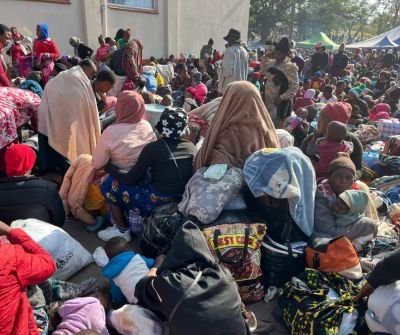
In recent weeks, protests linked to anti-illegal immigration groups have gained attention in Durban and surrounding areas. Some foreign nationals have reportedly sought protection after claiming they feared attacks and intimidation.
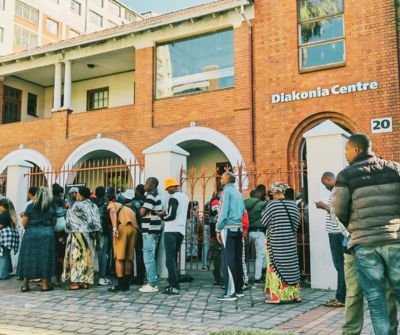
Earlier this week, groups of foreign nationals gathered outside the Durban Central police station before later moving to the Diakonia Centre in the Durban CBD. Some claimed they no longer felt safe returning to their homes or workplaces.
The growing tension has raised concerns among community leaders, human rights organisations, and business groups who fear that online rhetoric may spill over into violence on the ground.
This is not the first case in KwaZulu-Natal involving heated anti-immigration debates and fears of xenophobic violence. Similar tensions have erupted several times in South Africa over the past two decades.
Previous attacks on foreign nationals in 2008, 2015, and 2019 resulted in deaths, injuries, and widespread destruction of businesses in some communities.
Police and government officials have repeatedly warned that immigration enforcement must happen through the law and not through intimidation or vigilantism.
Critics of the latest statements argue that language encouraging communities to “take over” shops or pressure suppliers could inflame already fragile situations in townships where unemployment and poverty remain high.
At the same time, supporters of anti-illegal immigration campaigns insist that the government has failed to address undocumented migration and the economic struggles facing South Africans.
The debate continues to dominate social media discussions, radio talk shows, and community meetings across the country.
Read more similar South Africa community and crime stories on our website, as tensions around immigration and township businesses continue making headlines.
Latest Update on Phakel’umthakathi Statements and What Could Happen Next
As debate around the Phakel’umthakathi video continues, many South Africans are waiting to see whether the proposed 10 June virtual meeting will actually take place and whether authorities will respond to the statements.
At this stage, no official criminal charges linked to the video have been publicly confirmed. However, legal experts and political analysts say any organised attempt to forcibly seize businesses could violate South African law.
Business owners and community members are also closely monitoring the situation amid fears that inflammatory rhetoric could encourage isolated incidents of looting or confrontation.
Economic experts have meanwhile pointed out that township businesses depend on complex supply systems involving wholesalers, transport operators, landlords, and financial agreements.
Even if ownership changes, businesses still require working capital, stock supply, bookkeeping and customer trust to survive.
Some analysts argue that the frustration driving these movements reflects deeper economic problems in South Africa, including youth unemployment, poverty, and inequality.
Others believe politicians and activists are increasingly using anti-immigration rhetoric because it attracts public attention and strong emotional reactions online.
The comments section under the viral Phakel’umthakathi video reflects those divisions clearly.
Some users continue supporting the message and say South Africans deserve greater participation in the economy.
Others fear that ordinary workers, including South Africans employed by foreign nationals, may ultimately suffer if businesses close or violence erupts.
For now, the situation remains tense but uncertain.
Authorities, community leaders, and residents will likely be watching closely as 10 June approaches, especially in areas where anti-immigration protests have already taken place.
South Africans are also being urged to avoid spreading violence, threats, or misinformation online as emotions around the issue continue rising.
Readers can follow future updates on this developing South Africa immigration and township business story as more information becomes available.