
Home Affairs Accused Of Making Legal Migrants ‘Undocumented’ In Durban Crisis, KwaZulu-Natal
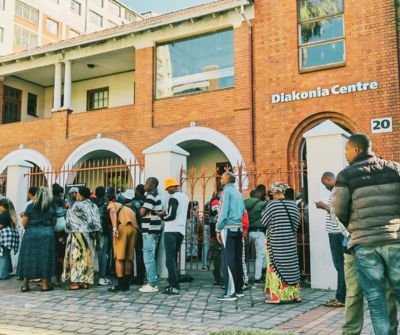
Hundreds of foreign nationals, most believed to be from the Democratic Republic of Congo, gathered outside the Durban Central Police Station in KwaZulu-Natal earlier this week, claiming they feared for their safety amid growing tensions over undocumented migration in the city. The group later moved to the Diakonia Centre in Durban CBD after police dispersed the crowd and government officials began engaging community leaders over documentation concerns.
The situation has now developed into a wider debate about immigration enforcement, asylum permit renewals, and whether failures within the Department of Home Affairs may have contributed to migrants becoming undocumented. The incident has sparked intense discussion across South Africa, with some residents supporting stricter immigration controls while others argue that asylum seekers are being trapped in a broken system.
Why Foreign Nationals Gathered at Durban Central Police Station
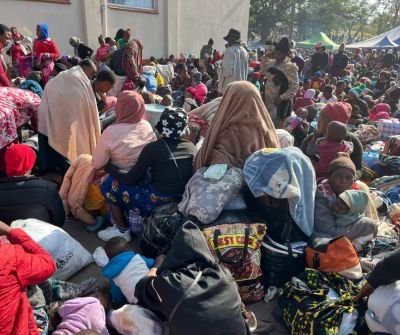
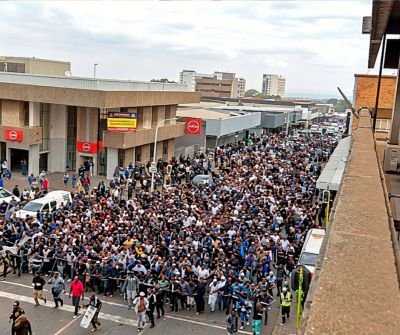
The crisis began on Monday when a large group of foreign nationals gathered outside Durban Central Police Station seeking protection. Many of those present were reportedly from the Democratic Republic of Congo and included women and children carrying luggage, blankets, and personal belongings.
Several members of the group claimed they feared returning to their homes and businesses after recent anti-illegal immigration protests and tensions in parts of Durban. Some alleged they had already been threatened or intimidated in communities where they live and work.
Videos and photographs shared on social media showed people sleeping outside the police station entrance and later outside the Diakonia Centre in Durban CBD. Witnesses described scenes of confusion as police attempted to manage the growing crowd.
The incident quickly became one of the most discussed stories in KwaZulu-Natal this week, particularly after police reportedly used crowd control measures during efforts to disperse protesters outside the station.
Many of the foreign nationals insisted they were not criminals or illegal immigrants but asylum seekers and long-term residents whose permits had expired while awaiting renewal through Home Affairs processes. This claim has become one of the central issues in the Durban migrant crisis.
The Congolese Solidarity Campaign, which has been representing some members of the group, accused the Department of Home Affairs of contributing to the situation through delays and discrepancies in the permit renewal system.
This is not the first case in Durban involving concerns over immigration documentation and refugee permit renewals. Similar tensions have surfaced in KwaZulu-Natal in recent years as backlogs within the asylum system continued to grow.
Durban Home Affairs Permit Renewal Problems Raise Questions
A meeting between KwaZulu-Natal SAPS leadership, Home Affairs officials, and leaders of the Congolese Solidarity Campaign took place at the Home Affairs offices in Umgeni, Durban, following the protests.
According to an official government statement, the meeting focused on addressing issues that led to the foreign nationals camping outside Durban Central Police Station.
During the discussions, community representatives reportedly accused Home Affairs of effectively rendering legal migrants undocumented because of problems linked to permit renewal processes. Officials from Home Affairs responded by explaining the procedures involved in renewing asylum and refugee permits.
The department also committed to assisting individuals whose permits had expired but who could provide proof that they had already applied for renewals.
One of the most controversial aspects of the meeting involved the process explained to migrants whose permits had already expired. According to the statement, affected individuals may be required to visit refugee centres, report to police stations, be formally charged, and appear in court as part of the immigration process.
That detail has triggered a strong public reaction online, with some questioning whether asylum seekers are being criminalised due to administrative delays.
Immigration activists and refugee support organisations argue that many foreign nationals struggle to secure appointments, process renewals, or receive documentation on time because of pressure within the system. Critics say this leaves some migrants vulnerable to arrest despite efforts to remain compliant with South African law.
At the same time, many South Africans have argued that the country must strengthen immigration enforcement and ensure undocumented individuals are properly identified. The issue has become increasingly sensitive in KwaZulu-Natal, where immigration tensions have become a growing political and social issue.
Searches related to “Durban migrant crisis,” “Home Affairs permit renewals,” and “foreign nationals in Durban” have increased online as the situation continues to develop.
Read more similar KwaZulu-Natal stories and developing community issues on our website as the situation continues to unfold.
What is the Diakonia Centre in Durban, and why did migrants go there
After leaving Durban Central Police Station, many of the foreign nationals moved to the Diakonia Centre in Durban CBD, where they spent the night sleeping outside the building and surrounding areas.
The Diakonia Centre is a church-linked social justice organisation based in Durban that has worked for many years with refugees, asylum seekers, vulnerable communities, and human rights groups in KwaZulu-Natal.
The centre has often been associated with humanitarian support, advocacy work, and assistance for displaced people and migrants. Because of that reputation, many protesters reportedly viewed the Diakonia Centre as one of the few places where they could seek temporary safety and assistance.
Images from the scene showed families gathered with bags, blankets, and food containers outside the building while police maintained a presence nearby.
The Durban CBD gathering drew national attention because it highlighted the human impact of the immigration dispute. Children and families were seen sleeping outdoors while uncertainty continued over what would happen next.
The Diakonia Centre story has also become an important part of the wider Durban migrant crisis because it shifted the public conversation beyond immigration enforcement alone. The images and conditions seen outside the centre raised questions about humanitarian concerns, public safety, and the responsibilities of government departments.
Some residents expressed sympathy for the families gathered outside the centre, while others argued that undocumented migrants should return to their countries of origin if they do not have valid permits.
The situation has fuelled debate on social media platforms, particularly Facebook and X, where thousands of South Africans continue discussing the Durban foreign nationals protest and Home Affairs permit issues.
The story has also renewed attention on how asylum seekers and refugees are processed in South Africa, especially in major cities such as Durban and Johannesburg.
Latest Update on Durban Foreign Nationals Crisis and What Happens Next
Government officials confirmed that another meeting would be held with members of the disgruntled group to verify immigration status, business permits, and safety concerns.
Authorities say the verification process will focus on determining who holds valid documentation, who has pending renewal applications, and who may be unlawfully present in the country.
Police and Home Affairs officials have not announced any mass arrests linked directly to the Durban Central Police Station gathering, but the matter remains under close monitoring.
The latest update on the Durban foreign nationals crisis comes as tensions over undocumented migration continue to rise in several parts of South Africa. Political parties, activist groups, and community organisations have all entered the debate, with strong opinions emerging on both sides.
For many observers, the Durban situation reflects a larger national problem involving immigration backlogs, border control concerns, refugee processing systems, and pressure on local communities.
The Congolese Solidarity Campaign has maintained that many affected individuals are legally in South Africa but became undocumented because of delays and administrative problems beyond their control.
Home Affairs has defended its processes while promising assistance to people who can provide proof that they attempted to renew permits legally.
As investigations and verification processes continue, the Durban migrant crisis is expected to remain one of the most closely watched stories in KwaZulu-Natal this week.
Anyone with additional information related to the situation or developments involving affected families can continue following updates through official government channels and local news platforms.
Readers can also follow ongoing coverage and related KwaZulu-Natal stories on our website as more details emerge.



This topic seems pretty complex. I wonder how the permit process actually affects the people involved.