R22 Million Mandela and Oliver Tambo Statues Unveiled in Durban Spark Service Delivery Debate
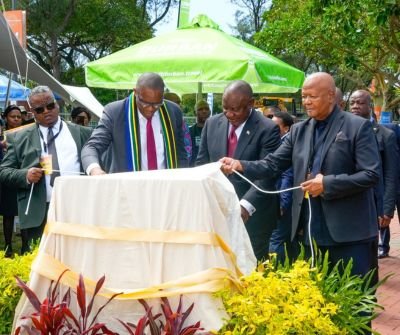
President Cyril Ramaphosa has unveiled two bronze statues in Durban honouring Nelson Mandela and Oliver Tambo.
The R22 million project has triggered widespread debate over government spending priorities.
The controversy comes as communities such as Folweni continue to face ongoing water shortages and service delivery complaints.
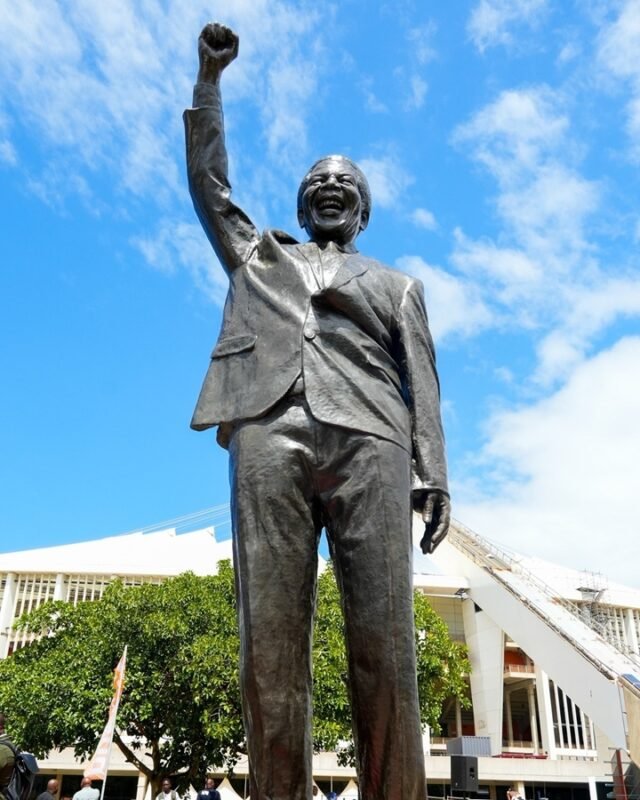
The statues now stand outside Moses Mabhida Stadium and along the Durban Beachfront Promenade, placing two of South Africa’s most respected liberation leaders at prominent public landmarks. Yet what was meant to be a celebratory unveiling has quickly evolved into a national conversation about municipal budgets, water crisis management, and accountability in KwaZulu-Natal.
Cyril Ramaphosa Unveils R22 Million Mandela Statue in Durban
At an official ceremony, President Cyril Ramaphosa revealed the statue of Nelson Mandela outside Moses Mabhida Stadium, while a second statue of Oliver Tambo was unveiled at the Durban Beachfront Promenade.
Government representatives described the statues as part of heritage preservation efforts and a tribute to the leaders who shaped South Africa’s democracy. Mandela and Tambo remain central figures in the country’s liberation history, and officials said the project forms part of broader tourism and cultural development plans in Durban.
The combined cost of the two statues, confirmed at R22 million, has, however, become the focal point of public attention.
Mandela Statue Cost in Durban Raises Government Spending Questions
Searches for “Mandela statue cost Durban” and “R22 million statue controversy” have surged as residents debate whether the expenditure reflects responsible government spending.
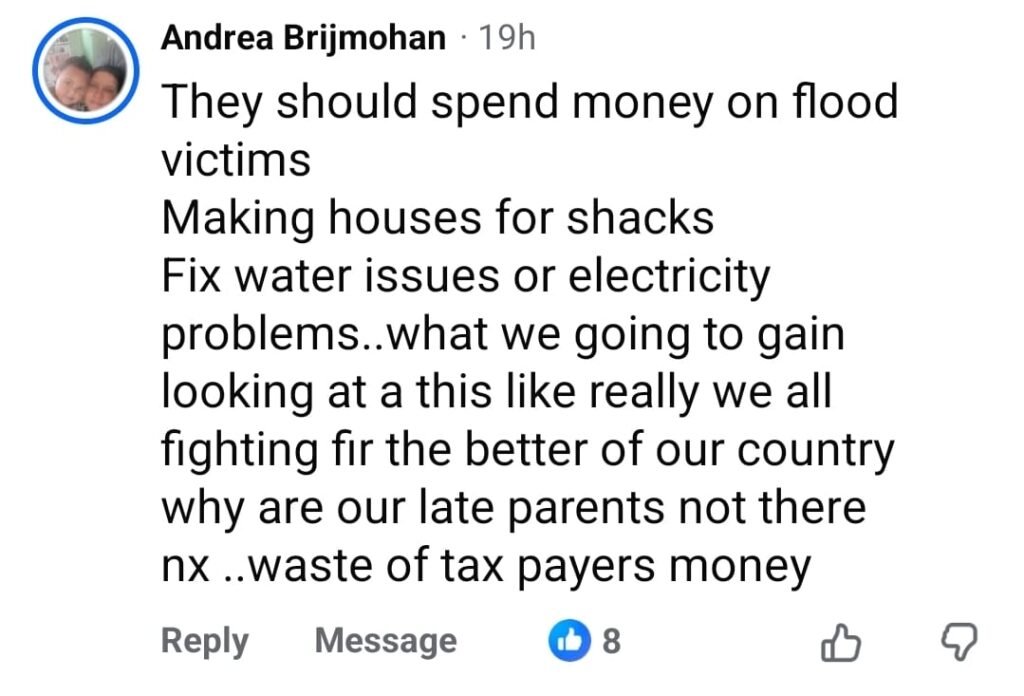
On social media, critics argued that R22 million could have been redirected toward struggling public hospitals, rural sanitation projects, or urgent infrastructure repairs. One widely shared comment read, “R22 million could have upgraded government hospitals in Durban, or built decent toilets at rural schools.”
Supporters counter that heritage projects are funded through separate allocations and should not automatically be seen as competing with service delivery budgets. The eThekwini Municipality responded to criticism by stating that there is a dedicated budget for service delivery, maintaining that essential services funding remains ring-fenced.
Despite that clarification, frustration remains strong, particularly among communities facing daily hardships.
Folweni Water Shortage Crisis Adds Fuel to Durban Service Delivery Protests
In areas such as Folweni, south of Durban, residents say they have endured water supply disruptions for more than ten years. At times, households reportedly go weeks or even three months without running water.
For families affected by the ongoing water crisis in Durban, the R22 million statue project has intensified feelings of neglect. Community members describe relying on water tankers and collecting water from distant sources. Many say inconsistent municipal water infrastructure has become a normal part of life.
A resident from the area said, “We respect Mandela and Tambo. But we also need water. We cannot live on symbolism.”
The link between the Durban statue unveiling and the Folweni water shortage has strengthened calls for urgent infrastructure upgrades across eThekwini.
#StatuesMustFall Trends as Public Reaction Divides South Africans
The hashtag #StatuesMustFall began trending shortly after the unveiling, reflecting a growing online movement questioning public spending priorities in South Africa.
Unlike earlier debates about colonial monuments, this discussion focuses less on historical identity and more on economic conditions, unemployment, poverty, and municipal accountability. Many South Africans are asking whether large heritage projects should proceed while communities continue to protest over electricity, housing, and water supply failures.
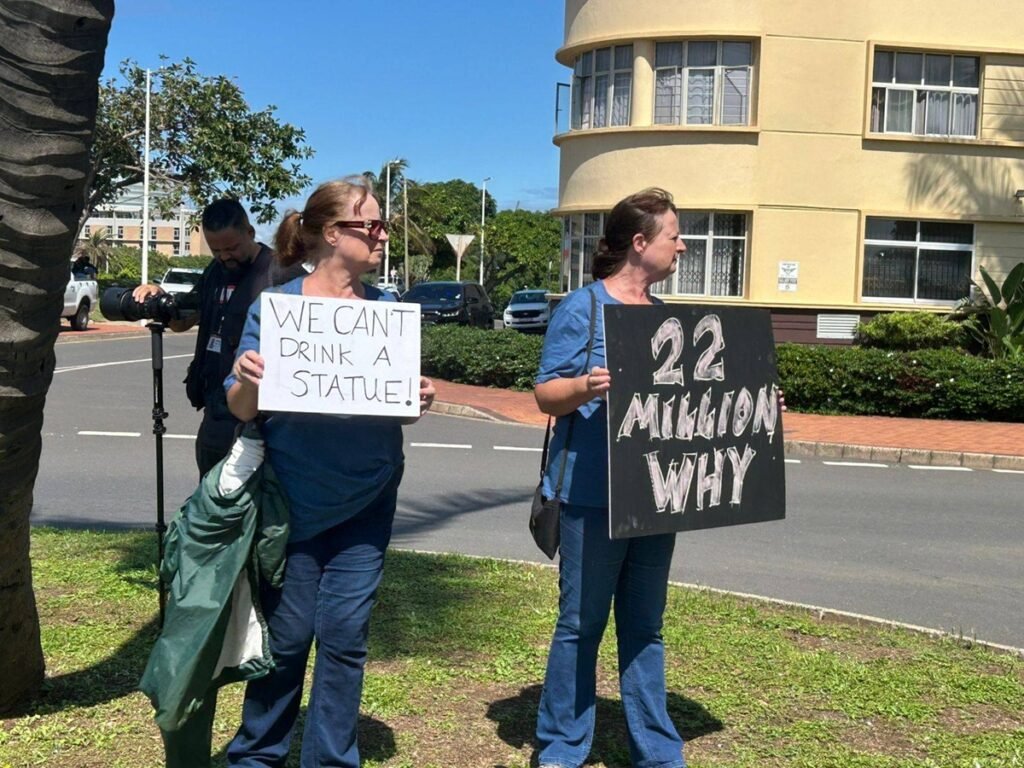
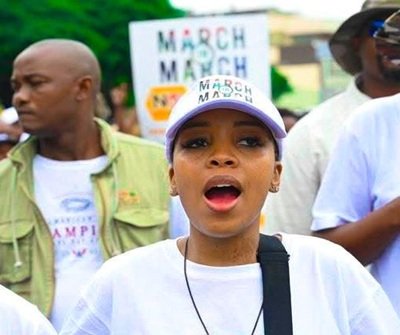
Opposition party supporters staged demonstrations ahead of the unveiling ceremony, further amplifying political tensions. Critics argue that government transparency around procurement and project costs must improve if public trust is to be restored.
At the same time, some residents insist that honouring liberation leaders should not be reduced to a financial argument. “These leaders gave us freedom,” one Durban attendee said. “Their legacy deserves recognition in our public spaces.”
eThekwini Municipality Response to Service Delivery Concerns
The eThekwini Municipality has defended the statue project, emphasizing that funds allocated for heritage and tourism development differ from those earmarked for essential services such as water and sanitation.
Municipal representatives stated that service delivery remains a priority and that infrastructure projects are ongoing. However, repeated service delivery protests in KwaZulu-Natal have placed local government finances under intense scrutiny.
Public finance experts often note that budget allocations can be legally separated, yet public perception tends to connect visible spending on monuments with lived experiences of hardship. In this case, the visibility of two high-profile statues has sharpened that perception.
The municipality has not indicated any change to the statue project, and the monuments now stand as permanent additions to Durban’s landscape.
Durban Statue Controversy Reflects Broader South Africa Budget Debate
The debate surrounding the Mandela and Tambo statues extends beyond Durban. It touches on a broader national question about balancing heritage preservation with urgent socio-economic challenges.
South Africa continues to grapple with high unemployment, infrastructure backlogs, and uneven service delivery. In that context, high-cost public projects often become flashpoints for wider dissatisfaction.
Few dispute the historical significance of Mandela and Tambo. Instead, the controversy highlights tension between symbolic nation-building and immediate community needs.
As the discussion continues, residents across KwaZulu-Natal and beyond are asking whether government spending decisions align with the daily realities faced by ordinary citizens.
For now, the R22 million statues stand not only as tributes to two liberation icons but also as markers of an ongoing conversation about accountability, transparency, and priorities in South Africa’s democracy.



One Comment
Comments are closed.