
Nigerian Cellphone Phishing Syndicate Busted at Durban Beachfront Hotel in KwaZulu-Natal,
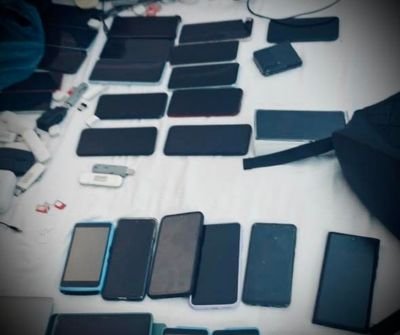
A multi-million rand cellphone phishing syndicate believed to be operated by Nigerian nationals has been dismantled by police in Durban, KwaZulu-Natal. The operation, which was based inside a well-known beachfront hotel, led to the arrest of three foreign nationals and two South African women in a coordinated raid carried out by multiple law enforcement units.
The arrests were made after weeks of intelligence gathering linked to a growing wave of cellphone phishing scams targeting victims across South Africa. Authorities say the suspects were operating sophisticated fraud schemes from hotel rooms in Durban, using electronic devices to intercept and manipulate personal banking and mobile data.
The operation has raised fresh concerns about the use of temporary accommodation facilities in major South African cities as hubs for organised cybercrime activities.
Durban Beachfront Hotel Used as Base for Nigerian Cellphone Phishing Syndicate Operation
Police investigations revealed that the suspected Cellphone Phishing syndicate was operating out of three hotel rooms booked during the first week of April at a prominent Durban beachfront hotel in KwaZulu-Natal. The rooms were allegedly used as a coordinated base for cellphone phishing operations targeting unsuspecting victims.
According to law enforcement sources, the suspects used laptops and multiple mobile phones to carry out fraudulent activities. These devices were allegedly used to access personal information, impersonate banking institutions, and trick victims into revealing sensitive data such as PIN codes and one-time passwords.
The cellphone phishing investigation was led by members of SAPS KwaZulu-Natal Crime Intelligence, working alongside the Commercial Crime Investigations unit, Durban Central SAPS, and the Durban Metro Police Tactical Support Unit.
Officials confirmed that the suspects were carefully monitored before the raid was executed, ensuring that evidence could be secured without alerting those involved.
Authorities say the Durban beachfront location was strategically chosen due to its high foot traffic, transient accommodation, and perceived anonymity for short-term guests. This made it easier for the alleged syndicate to operate without immediate detection.
SAPS KZN Cybercrime Investigation and Arrest Operation in Durban
The breakthrough in the case came after a coordinated cybercrime investigation led by SAPS KZN Crime Intelligence, which had been tracking suspicious financial and digital activity linked to cellphone phishing scams.
Investigators reportedly identified patterns connecting several fraud complaints from different parts of the country. These patterns pointed towards a centralised group operating from Durban, specifically within the beachfront hospitality sector.
Once sufficient intelligence had been gathered, law enforcement teams executed a targeted operation in Durban, resulting in the arrest of five cellphone phishing suspects. The group includes three Nigerian nationals and two South African women who are believed to have played supporting roles in the alleged syndicate.
During the raid, police confiscated multiple laptops and cellphones believed to have been used in executing phishing scams. These devices are currently undergoing forensic analysis to determine the full extent of the alleged criminal network.
Police have confirmed that charges will include fraud, theft, and violations under the Cybercrimes Act. The suspects are expected to appear in court next week in Durban.
Authorities say the case reflects an increasing shift toward digitally enabled financial crimes in South Africa, particularly involving cellphone banking platforms and online communication channels.
Community Reaction in Durban and Concerns Over Rising Cybercrime Cases
The arrest of the suspected cellphone phishing syndicate has sparked strong reactions in Durban and the surrounding areas of KwaZulu-Natal. Many residents have expressed concern over the growing number of cybercrime incidents affecting ordinary users of mobile banking services.
Victims of similar scams often report losing access to bank accounts within minutes after unknowingly sharing personal information. In many cases, the fraudsters impersonate legitimate financial institutions, convincing victims to provide security codes under false pretences.
Community members in Durban have praised the swift response by SAPS and supporting law enforcement units, noting that cybercrime cases often go unresolved due to the complexity of digital evidence.
Local safety advocates say the Durban case highlights the need for stronger public awareness around cellphone phishing tactics, especially among users who rely heavily on mobile banking services.
“This type of crime is silent but extremely damaging,” one Durban-based community safety volunteer noted. “People do not always realise they have been targeted until it is too late.”
This is not the first case of organised cybercrime linked to temporary accommodation in Durban. Over recent years, authorities have recorded several incidents where short-term rentals and hotels were allegedly used as operational bases for fraud-related activities.
Residents are now calling for increased monitoring of guest activities in high-risk areas, alongside stronger collaboration between private hospitality businesses and law enforcement agencies.
What Happens Next in the Durban Cybercrime Case
The five arrested suspects are currently in custody as investigations continue into the full scale of the alleged cellphone phishing syndicate. Police forensic teams are analysing seized electronic devices to trace communication patterns, financial transactions, and possible additional victims linked to the operation.
Authorities have not ruled out further arrests as the investigation expands beyond Durban. There are indications that the network may have connections to other provinces and possibly cross-border operations.
The suspects are expected to appear in court next week, where formal charges of fraud, theft, and contravention of the Cybercrimes Act will be presented. Prosecutors are also expected to request further time for detailed forensic analysis of digital evidence.
Law enforcement officials have emphasised that the case is part of a broader national effort to combat cyber-enabled financial crimes in South Africa. They have urged the public to remain vigilant when receiving unsolicited messages from banks or financial service providers.
Victims are encouraged to report suspicious activity immediately and avoid sharing personal banking details over phone calls, SMS messages, or email links.
As the investigation unfolds, authorities say more updates will be released to the public through official channels.






2 Comments
Comments are closed.