Iran–Israel War Escalates After Death of Ayatollah Khamenei: Global Oil Shock, UAE Strikes and What It Means for South Africa
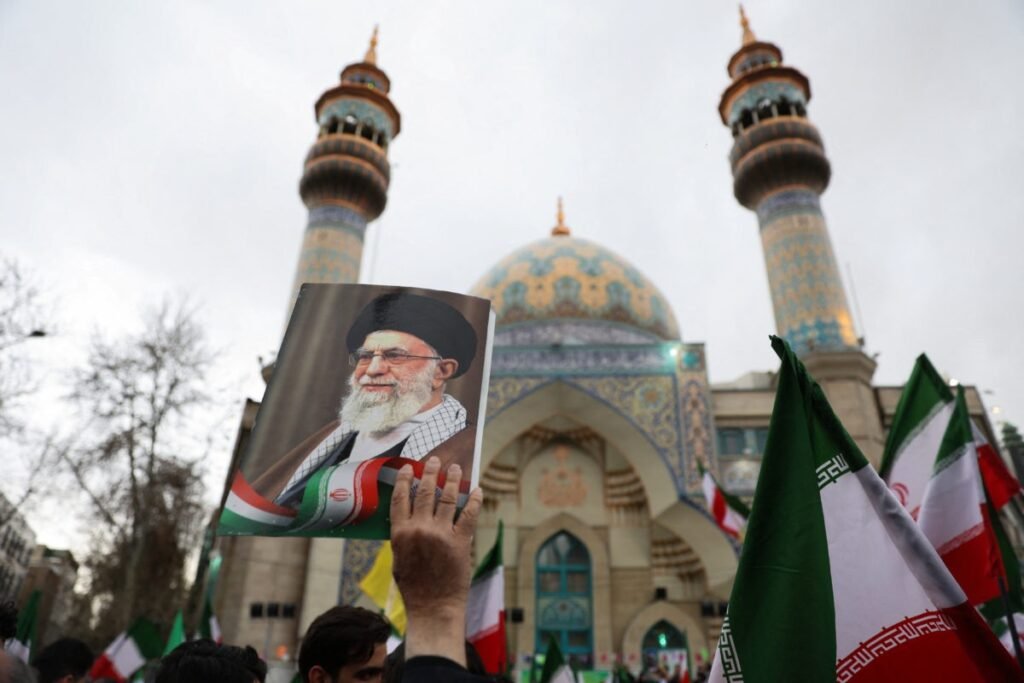
The Middle East has entered one of its most dangerous chapters in decades after joint military strikes by the United States and Israel targeted key Iranian military and government sites. The campaign has reportedly resulted in the death of Iran’s Supreme Leader, Ali Khamenei, a development that has sent shockwaves across the region and the wider world.
Iran has retaliated with missile and drone attacks against Israel and American-linked facilities in Gulf states, including the United Arab Emirates, Bahrain, and Qatar. Airspaces have closed. Oil markets are bracing for volatility. Airports in Dubai and other regional hubs have suspended operations. Several countries have called emergency security meetings.
The situation is fast-moving and volatile. For South Africans watching from afar, the question is simple. Should we be worried?
US and Israel Launch Major Strikes on Iran
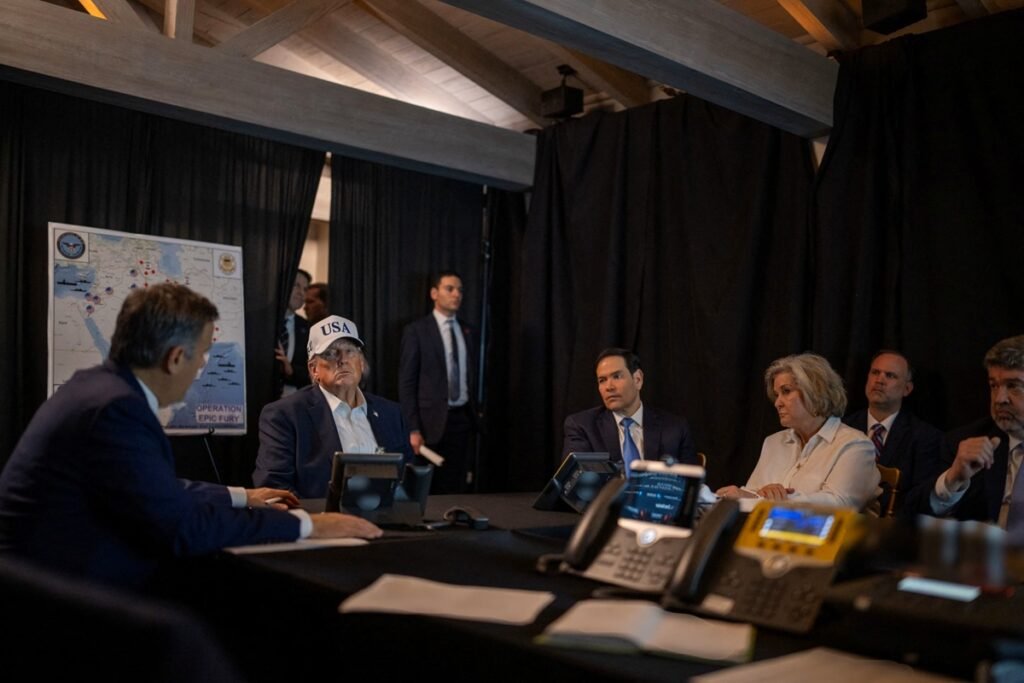
The offensive began with coordinated aerial bombardments by the United States and Israel aimed at Iran’s air defences, missile launch sites, and Revolutionary Guard facilities. Washington described the campaign as necessary to neutralise what it called an immediate missile threat and to prevent Iran from advancing its nuclear programme.
President Donald Trump confirmed that senior Iranian leaders were among the targets. Israeli Prime Minister Benjamin Netanyahu said the strikes were intended to remove what Israel views as an existential threat.
Iranian authorities reported hundreds of casualties, including civilians, though exact numbers remain disputed. Strikes were reported in Tehran, Isfahan, Shiraz, and along the Persian Gulf coast. Iranian state television showed plumes of smoke rising over parts of the capital.
Tehran has vowed a decisive response.
Iranian Retaliation Hits Israel and Gulf States
Within hours of the initial bombardment, Iran launched waves of missiles and drones toward Israeli cities and U.S.-linked bases across the Gulf. Air raid sirens sounded in Tel Aviv and Jerusalem. Missile interceptions were visible in the night sky.
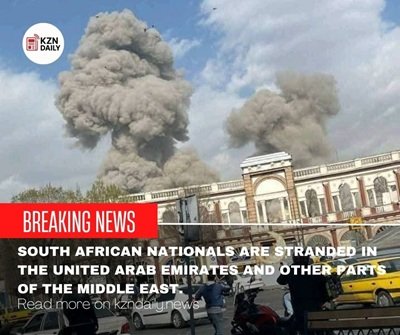
More significantly for the global economy, explosions were reported near critical infrastructure in the United Arab Emirates. Dubai International Airport, one of the world’s busiest travel hubs, suspended operations after reported damage. Flights across the Middle East were cancelled or diverted.
The strategic Strait of Hormuz, through which roughly a fifth of the world’s oil supply passes, has once again become a flashpoint. Iranian-linked broadcasts warned that transit through the waterway could be restricted. Even limited disruption could trigger a sharp spike in global oil prices.
Energy analysts warn that if tanker traffic is interrupted or oil terminals are damaged, the economic consequences could ripple across continents within days.
Hezbollah Joins the Conflict as Lebanon Struck
The conflict has widened beyond Iran and Israel. The Lebanese militant group Hezbollah launched missiles and drones toward Israel in what it described as retaliation for Khamenei’s death.
Israel responded with heavy airstrikes on Beirut’s southern suburbs, an area known as Dahiyeh, where Hezbollah maintains a strong presence. This marks the most serious escalation between Israel and Lebanon since their previous conflict in 2024.
The involvement of Hezbollah raises the risk of a prolonged regional war. Iraq-based militias have also issued threats against American installations. Yemen’s Houthi movement signalled readiness to act in support of Iran.
What began as a bilateral strike now resembles a multi-front confrontation.
Global Reactions: UN, Russia, China, and Europe Respond to The Iran War
An emergency meeting of the United Nations Security Council was convened after the strikes. Secretary-General António Guterres called for an immediate ceasefire and warned that escalation could destabilise the entire region.
Russia condemned the operation as unlawful aggression. China urged all parties to return to negotiations and respect Iran’s sovereignty. European Union foreign ministers scheduled emergency consultations, stressing the need to prevent further spread of violence.
Several Gulf governments condemned Iranian missile attacks on their territory, while avoiding direct criticism of the initial U.S.-Israeli offensive.
The diplomatic landscape is fragmented. There is no clear coalition for peace, and no unified path back to talks.
South Africans Stranded in UAE and Other Affected Countries
As airports closed and airspace restrictions spread, reports emerged that South African nationals are stranded in the United Arab Emirates and other parts of the Middle East.
Dubai serves as a major transit hub for South Africans travelling to Europe, Asia, and North America. Flight suspensions have left travellers unable to depart. Others working in the Gulf region are sheltering in place amid uncertainty.
The Department of International Relations and Cooperation is expected to issue updated travel advisories. Families back home are seeking information, particularly those with relatives in the UAE, Qatar, and Israel.
South Africa has significant diaspora communities in the Middle East. While there are no confirmed reports of South African casualties, the situation remains fluid. Travel disruptions could persist for days or longer if hostilities intensify.
Should South Africa Worry About the Iran–Israel War?
Geographically, South Africa is far removed from the conflict zone. Militarily, there is no direct threat to the country. Yet economic and diplomatic consequences are possible.
First, oil prices. South Africa imports the bulk of its crude oil. Any sustained rise in global oil prices would quickly affect local fuel costs, transport expenses and inflation. A sharp spike could place renewed pressure on households already facing high living costs.
Second, trade routes. While most South African maritime trade does not pass through the Strait of Hormuz, global shipping rates could rise if insurers deem the Middle East high risk. That would increase the cost of imported goods.
Third, diplomatic positioning. South Africa maintains relationships across the Middle East and has often advocated for non-alignment and dialogue. The government may face pressure to clarify its stance as global powers take sides.
Finally, financial markets. Global instability tends to push investors toward safer assets. Emerging markets often feel the strain. A prolonged conflict could influence the rand and stock market performance.
In short, South Africa is unlikely to face direct military implications. The economic impact, however, could be felt within weeks if the conflict deepens.
What Happens Next?
Several scenarios are possible.
If Iran’s leadership consolidates quickly and limits its retaliation to symbolic strikes, the confrontation could stabilise into a tense standoff. If regional proxies intensify attacks on U.S. or Israeli targets, the war could widen across Lebanon, Iraq, and the Gulf.
Another variable is domestic sentiment inside Iran. The reported death of Khamenei leaves a leadership vacuum at the top of a complex political system. While some analysts speculate about internal unrest, the Revolutionary Guard remains a powerful and disciplined force.
There is also the nuclear question. The International Atomic Energy Agency has scheduled discussions following the strikes, especially amid concerns about facilities under its safeguards.
Markets will be watching oil tankers in the Strait of Hormuz as closely as diplomats watch the Security Council.
For ordinary citizens across the world, including in South Africa, the stakes are clear. Fuel prices, flight schedules, supply chains, and financial stability all hang in the balance.
The coming days will determine whether this becomes a contained confrontation or the opening phase of a broader Middle East war.
For now, South Africans with family in the region are urged to remain in contact, monitor official advisories and avoid unnecessary travel to affected countries.
The conflict between Iran and Israel has crossed a threshold. Its global consequences may only be beginning.
Emergency Contacts for South Africans in the Middle East
The Department of International Relations and Cooperation has previously advised South Africans in parts of the Middle East to register on its database and to follow official safety guidance.
If you have family or friends in the region, these emergency contact numbers may be important:
Qatar
00-974-5583-2762
Iran
00-98-912-230-8968
United Arab Emirates (Dubai)
00 971 50 558 1235
Abu Dhabi
00 971 50 622 42 91
00 971 50 445 94 99
Kuwait
00 965 9720 0172
00 965 9979 4483
00 965 9916 7899
Saudi Arabia (Riyadh, including Yemen, Bahrain, Oman)
00 966 55 812 2215
Jeddah
00 966 56 244 5376
Jordan
00-962-79-552-0245
Syria (including Iraq)
00-963-966-44-4405
Palestine and Israel
00-972 053-2553-113
If you know someone in these countries, share this information with them directly.
‘Dollarman’ Kidnapping Kingpin Shot Dead in South Africa